
Libra WeighTech
Accurate Weighing
Quality Services

Every accurate scale starts with one component: the load cell. If you're trying to work out how to choose a load cell for a new weighbridge, silo, or platform scale, the decision really comes down to five practical factors — capacity, accuracy class, output signal, build material, and how well the load cell is sealed against dust and moisture.
Get these right and your weighing system stays accurate for years. Get them wrong, and you end up with drift, downtime, or a scale that fails its next calibration check. This guide breaks each factor down in plain language, whether you're setting up a system in Karachi, Lahore, Multan, Faisalabad, or anywhere else in Pakistan, so you can specify the right load cell the first time.
A load cell is a sensor that converts force into an electrical signal. Inside almost every industrial load cell sits a strain gauge bonded to a metal body; as weight is applied, the metal flexes by a tiny amount, the gauge's resistance changes, and that change is read out as a signal — typically a low-level analog output, or a digital signal on newer designs.
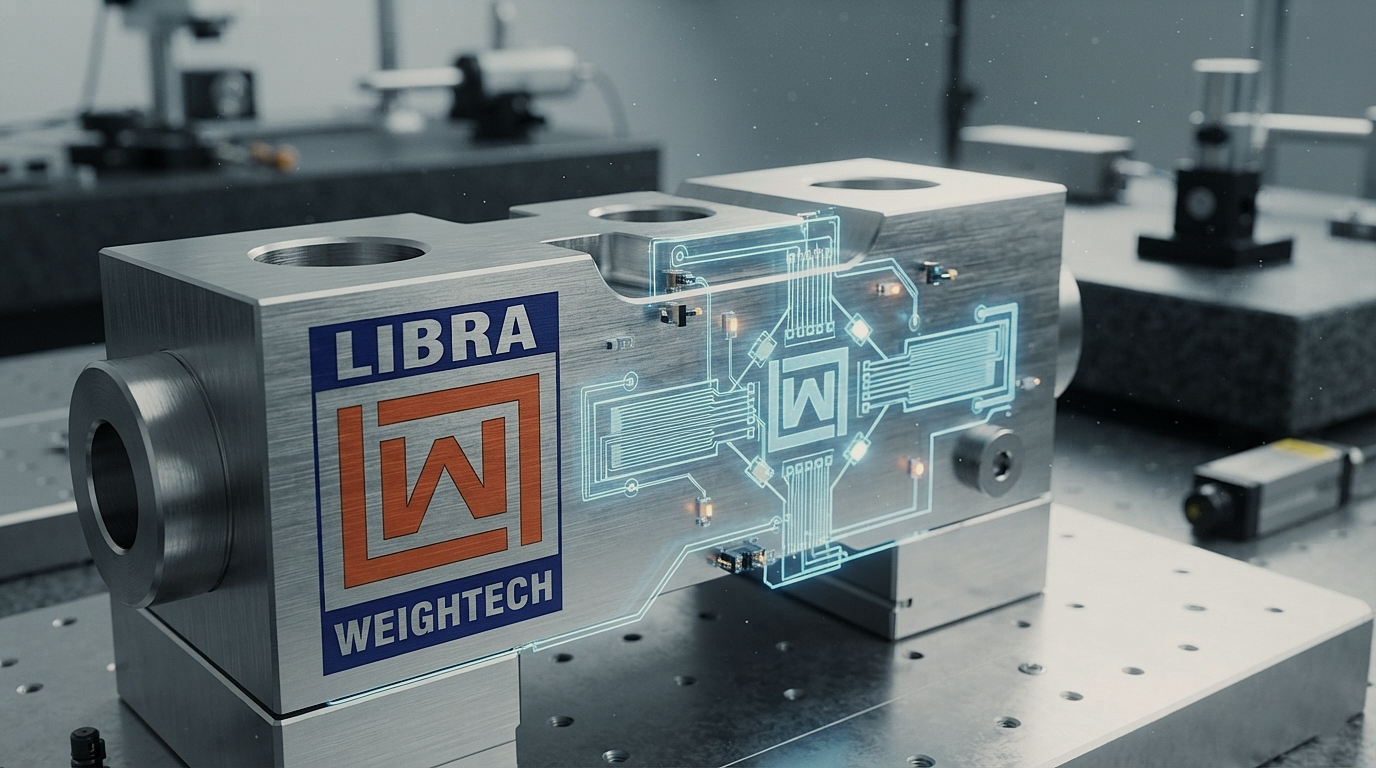 That sounds technical, but the practical takeaway is simple: a load cell is only as good as its match to your application. One sized, rated, or sealed incorrectly for the job will still "work" for a while, but it typically shows up later as drifting readings, corrosion, or a scale that can't hold its calibration. Choosing correctly the first time avoids repeat site visits, re-certification costs, and unplanned downtime.
Not every load cell suits every scale. The right type depends on how the load is applied — from above, from the side, hanging, or spread across multiple points — so it's worth understanding the main types of load cells before you compare specific brands or prices.
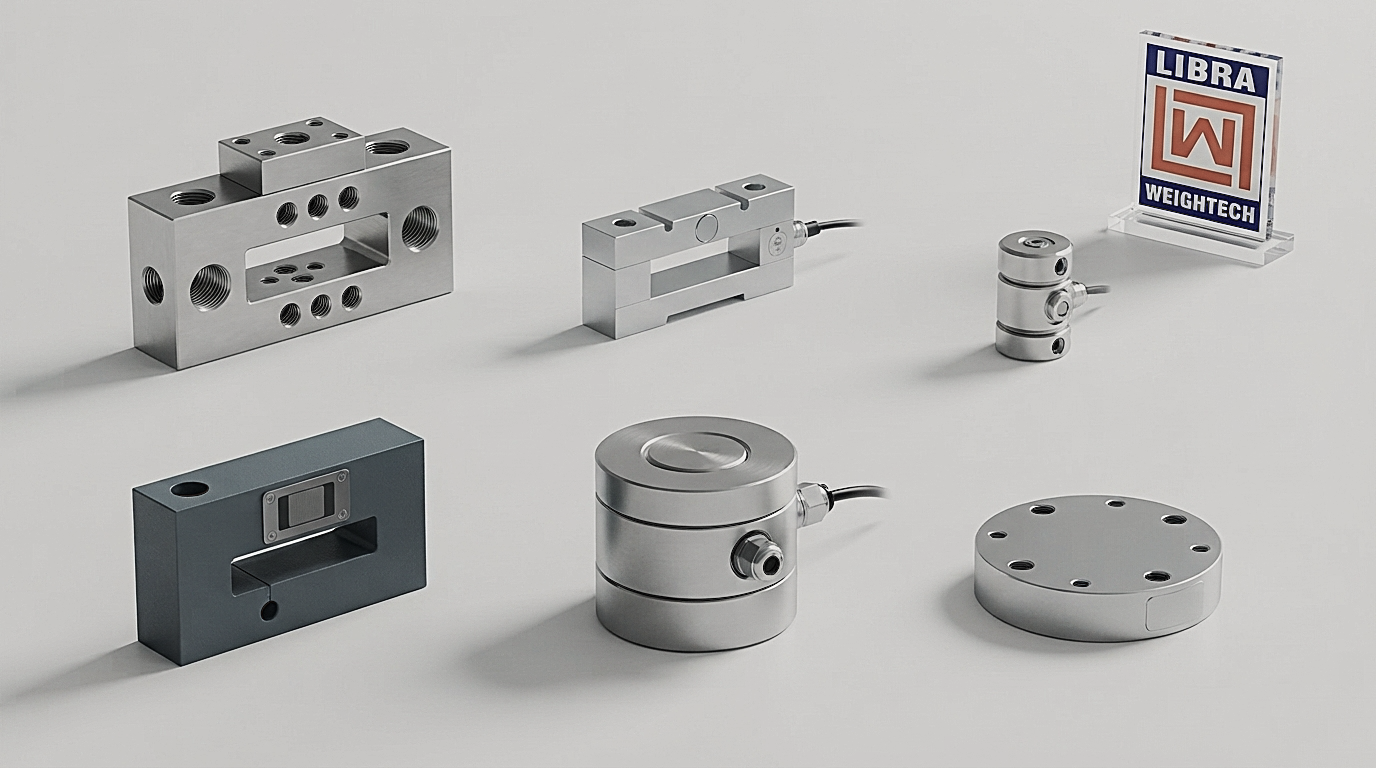
Shear beam load cells detect stress at the neutral axis of a horizontal beam, which makes them naturally resistant to off-center loading. That robustness is why they cover such a wide capacity range — roughly 200 kg up to 20 tonnes — and why they're a default choice for platform scales, floor scales, and small-to-medium tank installations.
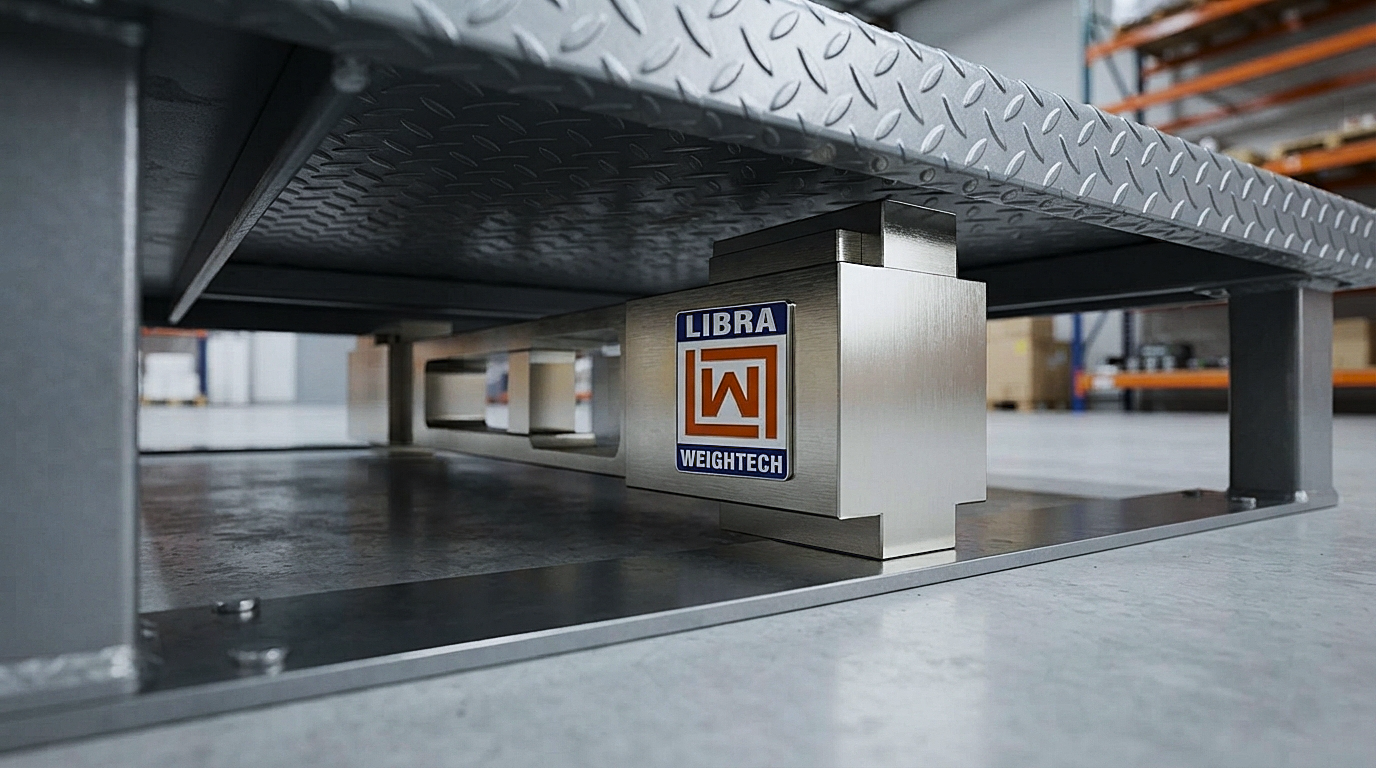
They're also usually one of the more cost-effective options for a given capacity, so it's worth comparing shear beam load cell price in Pakistan options — by capacity, IP rating, and material — before you commit to a supplier.

Bending beam load cells work on a related principle but detect surface strain rather than internal shear stress, which keeps them simpler and lower cost at smaller capacities — generally up to around 2 tonnes. Single-point designs in this family use one sensor to support an entire platform, correcting internally for off-center loads, which makes them common in bench scales, small retail scales, and compact platforms where space is limited.
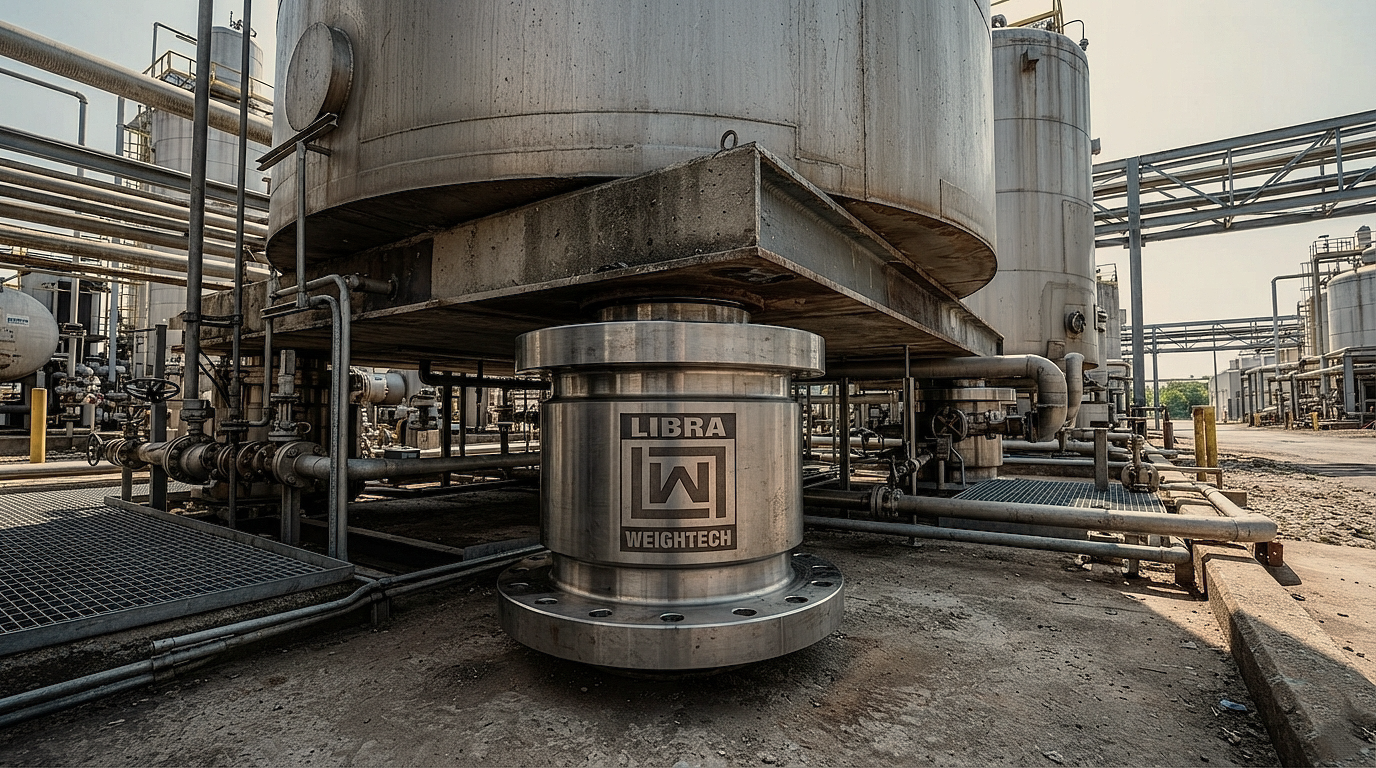
Compression, or canister, load cells take load from directly above and are built to handle high capacities. They're a standard choice for silos, hoppers, and larger platform or truck-scale decks, where the vessel or structure simply rests on top of the load cell.
Double-ended shear beam (DESB) load cells are a heavier-duty version of the standard shear beam, designed to absorb the side loading and eccentric forces that happen when a vehicle's axles roll across a scale deck. This is why they're the near-universal standard for weighbridges and truck scales.
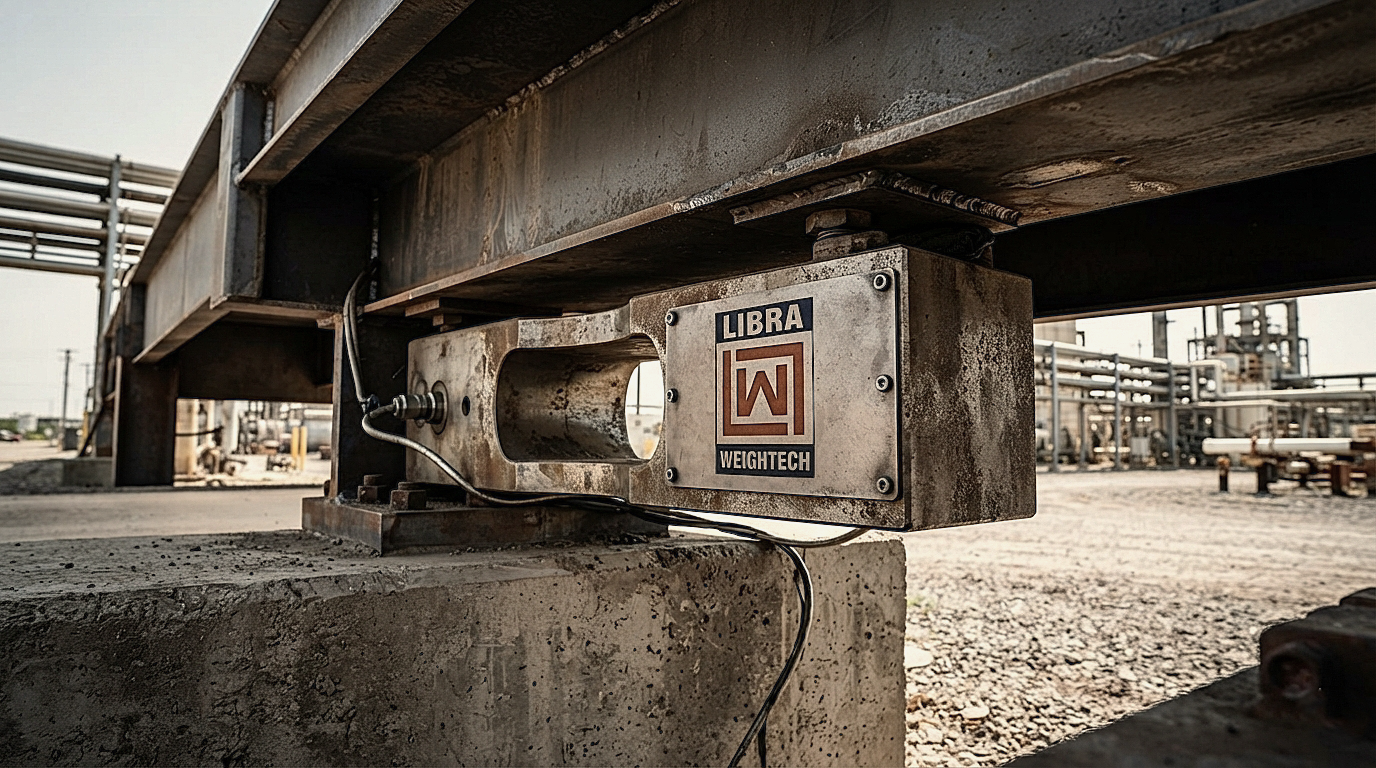
S-type, or tension, load cells measure force in a hanging or pulling direction rather than compression. They're used in crane scales, hopper scales suspended from a structure, and batching systems where material is weighed while hanging rather than resting on a platform.

Once you know which type of load cell fits your application, the next step is matching its specifications to your actual operating conditions. These five factors make up the core of any solid load cell selection guide, and getting each one right is what separates a scale that performs for a decade from one that needs replacing within a year.

Capacity selection starts with your maximum expected load — not just the product weight, but the dead load of the platform, tank, or structure itself, plus any dynamic or impact loading during use. As a general rule, it's good practice to choose a load cell whose rated capacity gives you headroom above your typical operating load, rather than one that matches your absolute maximum exactly, since that headroom protects both accuracy and long-term durability. For multi-load-cell systems — a platform on four load cells, or a tank on three — remember the total load is shared across each cell, so capacity per cell is a fraction of the whole system's capacity, not the full weight alone.
Load cells are classified under OIML R60, the international recommendation for load cell metrology, broadly into Class A and B for very high-precision use, Class C for legal-for-trade commercial and industrial scales, and Class D for simpler, lower-accuracy devices. Within Class C, a number such as C3 or C6 indicates the load cell's number of verification intervals — the higher the number, the finer the resolution across the scale's range. If your scale needs to be legal-for-trade — billing customers by weight, for instance — Class C is the practical minimum, and it's the class most commonly specified for platform, floor, and tank scales in Pakistan.
Most industrial load cells still use an analog mV/V output, which needs to be compatible with your weighing indicator or controller. Digital load cells are increasingly common too, communicating over a digital protocol that can simplify wiring and corner-adjustment on multi-load-cell systems. Before you buy, check that the load cell's output signal matches — or can be made compatible with — the indicator or PLC you already have, or plan to install.
Ingress protection, shown as an IP rating like IP65, IP67, IP68, or IP69K, tells you how well a load cell resists dust and water. Indoor, dry environments can usually get by with a lower-rated cell, but anything outdoors, in a pit, or exposed to washdown needs a higher IP rating to avoid moisture-related failures. We'll go deeper on IP rating selection for Pakistan's climate in the next section.
Alloy or tool steel load cells are cost-effective and perform well in dry, indoor, non-corrosive settings. Stainless steel — often hermetically sealed — is the better choice for humid, corrosive, coastal, or washdown environments, including food, pharmaceutical, and chemical processing sites, since it resists aggressive cleaning agents far better than standard alloy steel.
For a weighbridge or truck scale, double-ended shear beam load cells are the near-universal standard, since they're built to handle the high per-cell capacity and eccentric loading that comes from vehicles crossing the deck. Most legal-for-trade weighbridges also need OIML Class C load cells at minimum, since the scale is typically used to bill customers, support export documentation, or record cargo weight for compliance — common requirements at cement plants, logistics terminals, and agri-commodity depots across Pakistan.
 Because weighbridge load cells usually sit in a pit — exposed to rainwater, washdown, mud, and debris — a high IP rating (IP68 or better) is just as important as capacity and accuracy class. Skimping on ingress protection here is one of the most common, and most expensive, mistakes buyers make.
Silos, hoppers, and storage tanks are usually weighed with either compression (canister) load cells, which take load directly from above, or shear beam load cells mounted under the vessel's support legs — the right choice depends on the tank's size, mounting style, and capacity. Three-leg vessels are common because three points always sit in a single plane, which keeps the system naturally self-leveling regardless of small foundation irregularities; four-leg vessels work well too, but usually need mounting kits designed to handle uneven load distribution.
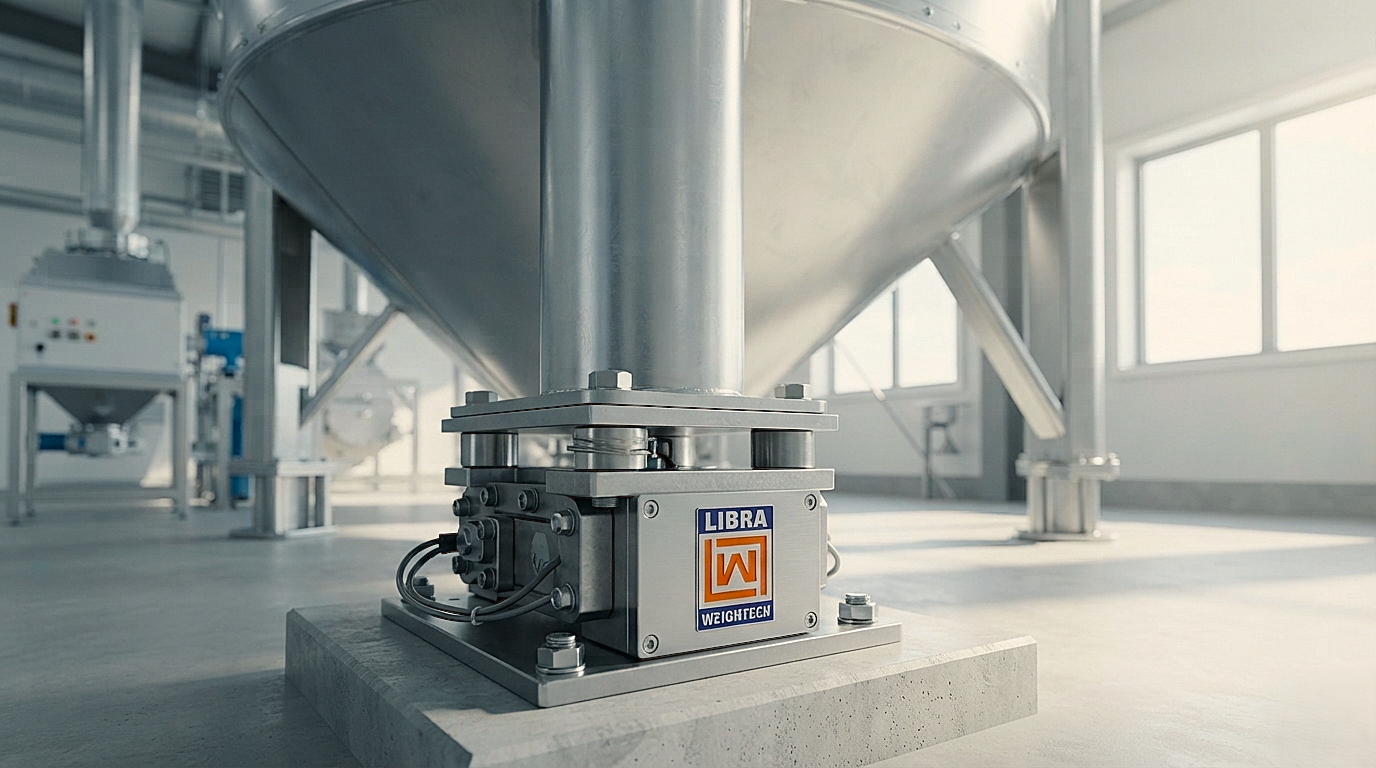 If your tank or silo sits outdoors, or handles food, chemical, or pharmaceutical products that need regular washdown, stainless steel construction resists corrosion far better than standard alloy steel. Pairing that with a well-sealed, appropriately IP-rated load cell for silo installations is what keeps the system accurate for years rather than months.
Pakistan's climate varies enormously from one region to the next, and that variation should shape your load cell IP rating decision as much as the application itself. Karachi and the coastal belt bring near-constant humidity and salt-laden air; interior Punjab and Sindh — including Multan, Bahawalpur, and Sukkur — see extreme summer heat and heavy dust; and most of the country gets a monsoon season roughly between July and September, while the north around Islamabad, Rawalpindi, and Peshawar stays cooler and Quetta remains dry and dusty most of the year.
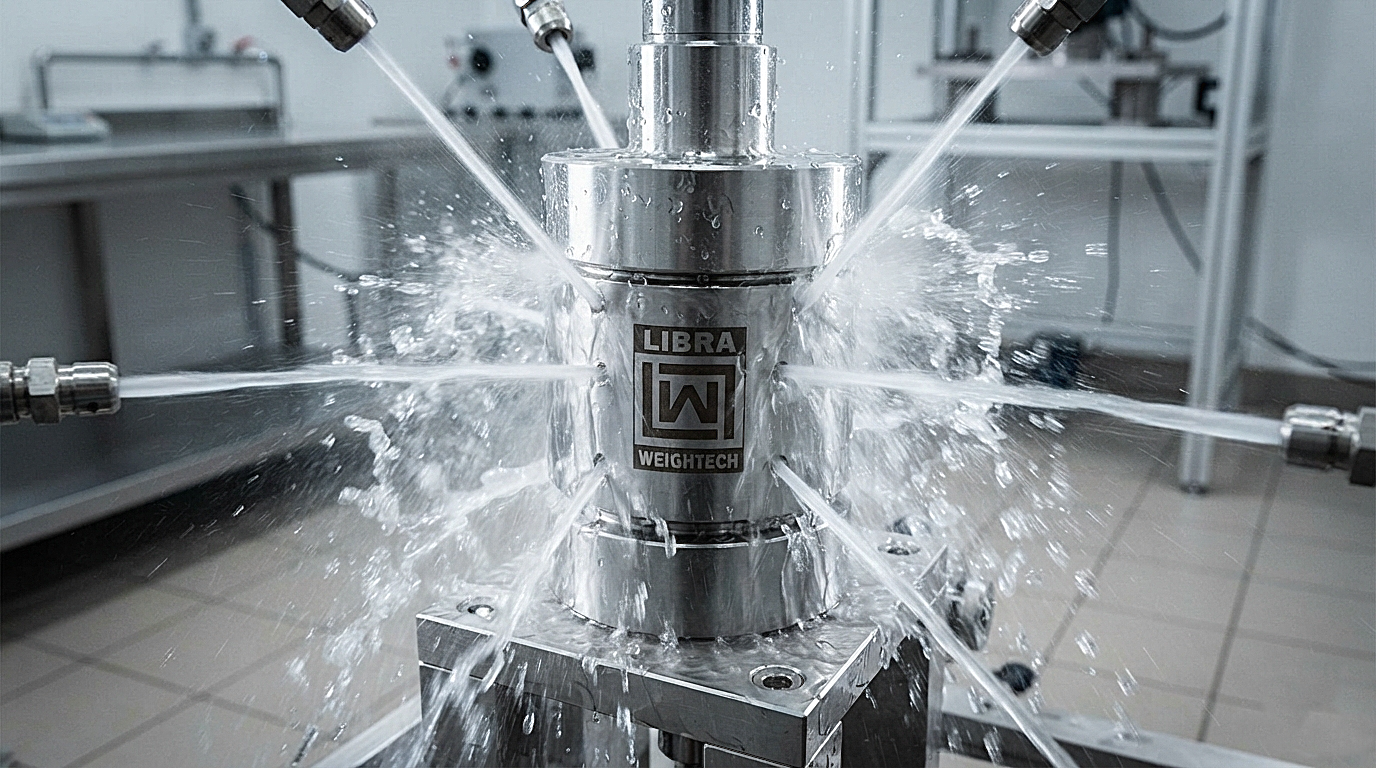
Here's a general guide to matching IP rating to environment:
IP65/IP66 — indoor or sheltered platforms with only occasional dust exposure
IP67 — temporary immersion; sufficient for most indoor floor scales, and many outdoor installations exposed to rain or heavy dust
IP68 — continuous submersion rated; the right choice for weighbridge pits, tanks, and wash-down environments
IP69K — food, dairy, or pharmaceutical sites requiring high-pressure, high-temperature washdown
Whichever city or region you're weighing in — from Lahore and Gujranwala to Hyderabad and Quetta — matching the IP rating to your actual site conditions is one of the simplest ways to avoid early load cell failure.
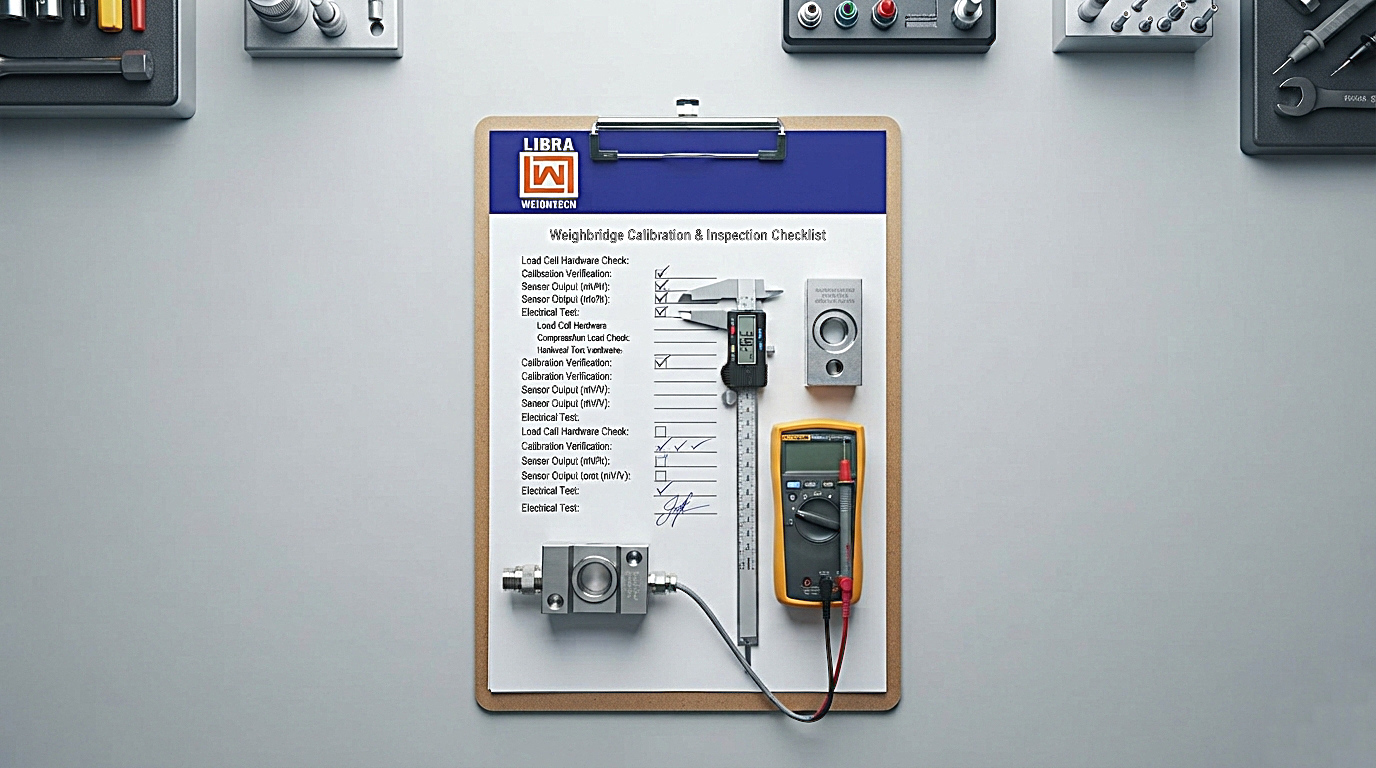
Use this quick load cell selection guide as a final check before you finalize your order:
Confirm the application (platform, weighbridge, silo, crane scale, or batching system)
Calculate total system capacity and divide it across the number of load cells
Confirm the required accuracy class, especially if the scale needs to be legal-for-trade
Match the IP rating to indoor, outdoor, or washdown conditions
Check the output signal against your existing (or planned) indicator
Choose alloy or stainless steel based on humidity, corrosion, and hygiene needs
Confirm certification and after-sales support, including calibration, are available locally
Even the right load cell won't stay accurate forever without periodic verification. Temperature swings, mechanical wear, and everyday use all cause gradual drift, so it's worth booking a proper weighing scale calibration service in Pakistan — on-site or in a lab, against traceable reference weights — soon after installation and at regular intervals afterward.
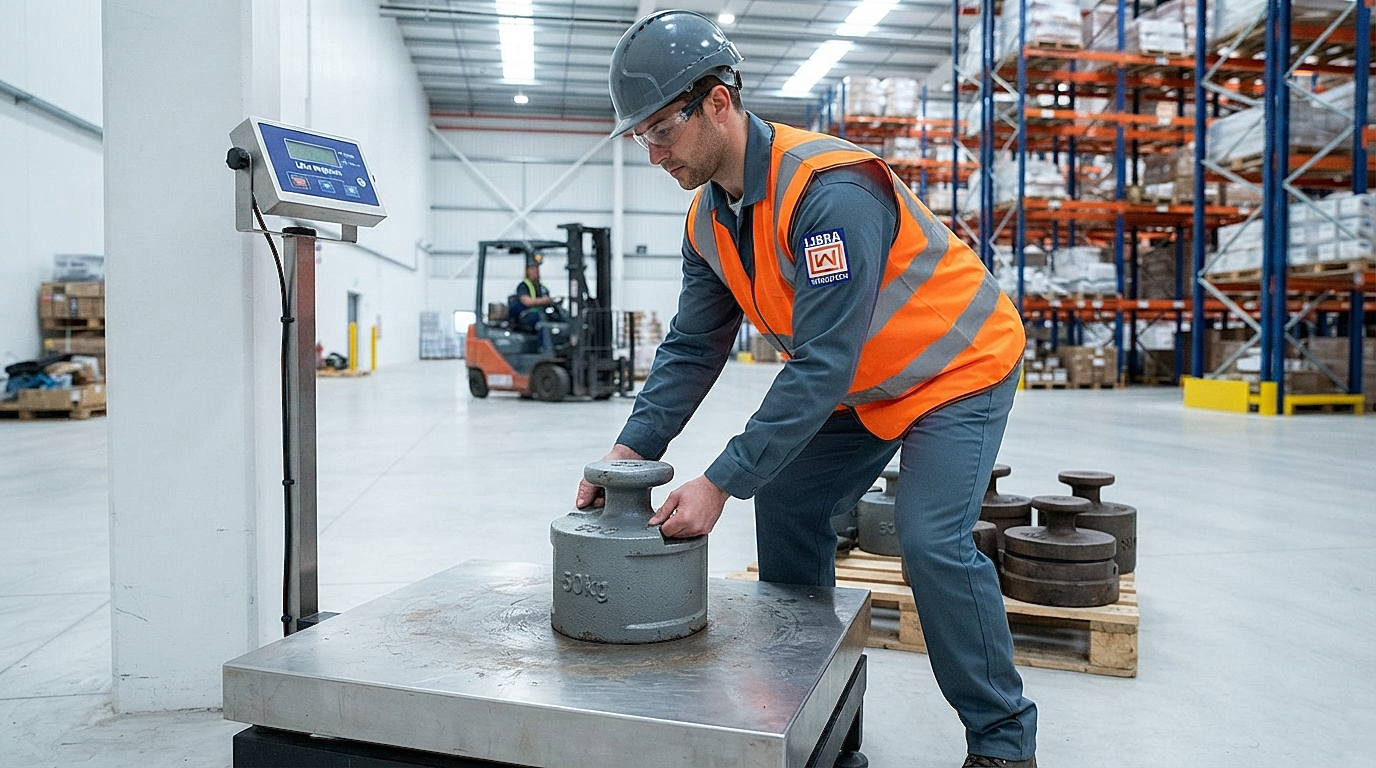
For scales used in billing, export documentation, or other legal-for-trade situations, calibration also feeds into re-verification under Pakistan's Weights and Measures Ordinance, so keeping a current calibration certificate on file protects you from both inaccurate readings and compliance headaches.
Where you buy matters almost as much as what you buy. Genuine, branded load cells come with manufacturer datasheets and calibration certificates you can actually rely on, proper warranty coverage, and spare parts availability if something needs replacing years down the line, rather than a relabelled cell with specifications you can't verify.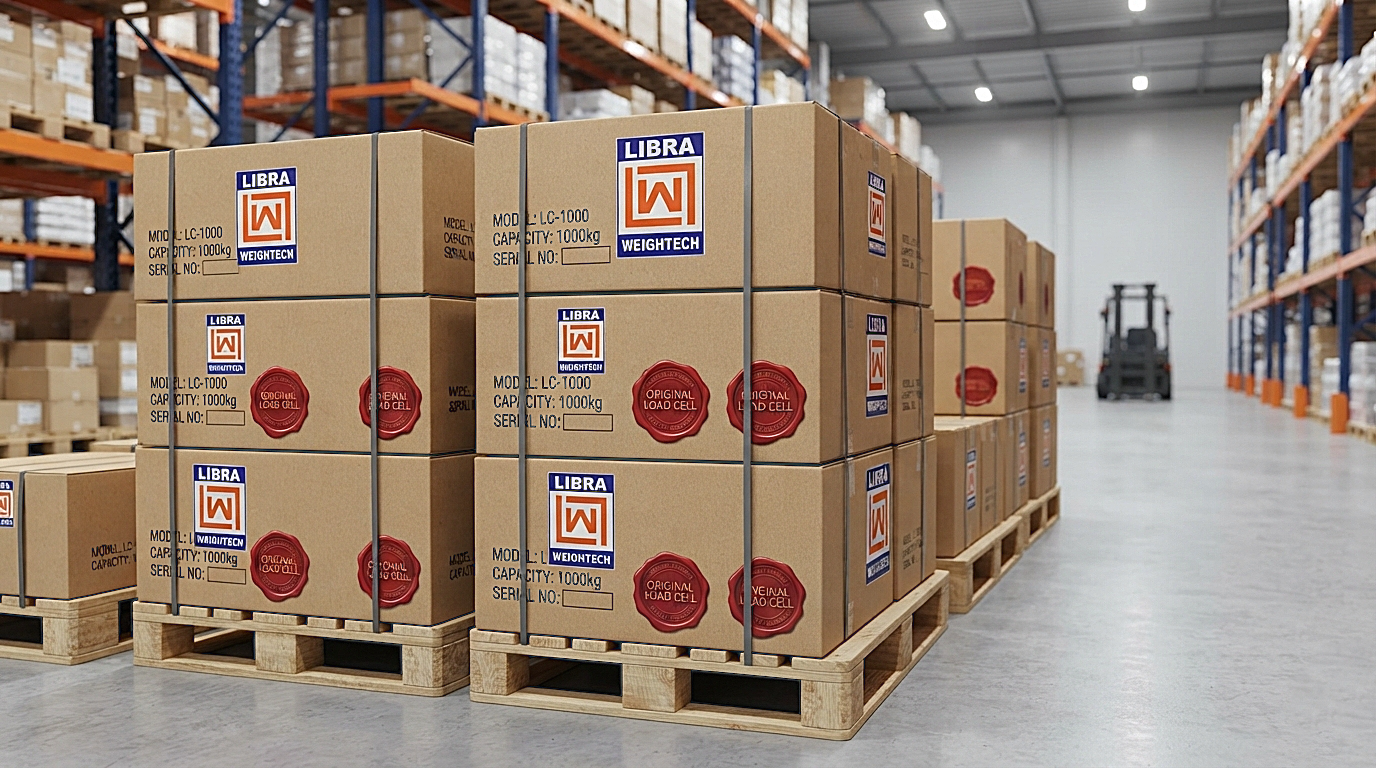
Libra Weigh Tech supplies load cells and complete weighing systems from a range of internationally established brands, including Minebea Intec (Germany) — a long-established manufacturer of industrial weighing and inspection technology used across food, pharmaceutical, and chemical industries worldwide. For authorized specifications and current pricing, see the Minebea Intec Authorized Dealer Pakistan — All Products & Prices listing before you finalize a supplier.
Picking the right load cell doesn't have to be guesswork. Whether you're setting up a weighbridge in Multan, a silo system in Faisalabad, a platform scale in Lahore, or a batching line anywhere else in Pakistan, matching capacity, accuracy class, output signal, IP rating, and material to your real operating conditions is what makes a weighing system reliable for years, not just months.

If you're not sure which load cell fits your setup, get in touch with Libra Weigh Tech at +92 300 8150772 or info@libraweightech.com. Our team, based in Multan with offices in Lahore, Islamabad, and Karachi, can help you specify the right load cell, source it from an authorized supplier, and keep it calibrated for accurate, dependable weighing wherever you are in Pakistan.
Most weighbridges and truck scales use double-ended shear beam load cells, typically at OIML Class C accuracy or higher, since they handle both the high capacity and the eccentric loading of vehicles crossing the deck. A high IP rating, IP68 or better, is also essential since weighbridge load cells usually sit in a pit exposed to water and debris.
For most outdoor installations — silos, hoppers, and exposed platforms — IP67 is a reasonable minimum, while weighbridges and anything at risk of standing water need IP68. Food and pharmaceutical sites that require washdown with hot, high-pressure water should look for IP69K rated load cells instead.
Start with your maximum expected load, including the dead weight of the platform or vessel itself and any dynamic loading, then divide that across the number of load cells in the system. Choose a rated capacity that leaves some headroom above your typical operating load rather than one that matches your maximum exactly.
Class C load cells are built for legal-for-trade commercial and industrial applications, including most weighbridges and platform scales, while Class D covers simpler, lower-accuracy devices. If your scale is used to bill customers or verify cargo weight, Class C is typically the minimum you should specify.
Load cells should be calibrated soon after installation and then at regular intervals afterward, since temperature changes, mechanical wear, and daily use can all affect accuracy over time. A qualified on-site or lab calibration service can verify your system against certified reference weights and catch problems before they affect your readings.