
Libra WeighTech
Accurate Weighing
Quality Services

Finding the right compression type load cell supplier in Pakistan can mean the difference between an accurate weighing system and years of costly downtime. These load cells are built to handle heavy, direct downward force, which is why they're the standard choice for weighbridges, truck scales, silos, and cement batching plants across the country. Whether you run a grain store in Sargodha, a textile mill in Faisalabad, or a transport yard in Multan, the load cell you install has to match your capacity, environment, and budget.
At Libra Weigh Tech, we supply, install, and calibrate compression type load cells for industries throughout Pakistan. This guide explains how these load cells work, where they're used, and how to choose the right one for your application.
A compression type load cell measures weight by sensing the compressive force applied straight down onto it. As the load presses on the cell, an internal strain gauge deforms by a tiny, precise amount, and that deformation is converted into an electrical signal that a weighing indicator reads as a weight value.
This design makes compression load cells extremely strong under axial load. Because the force travels straight through the cell instead of bending it sideways, the cell can safely carry very heavy capacities, from a few hundred kilograms up to hundreds of tons. That's why you'll find compression load cells under weighbridges, silos, hoppers, and heavy machine bases rather than in smaller bench or retail scales.
Not all compression load cells look or perform the same way. The right type depends on your capacity, mounting space, and site environment.
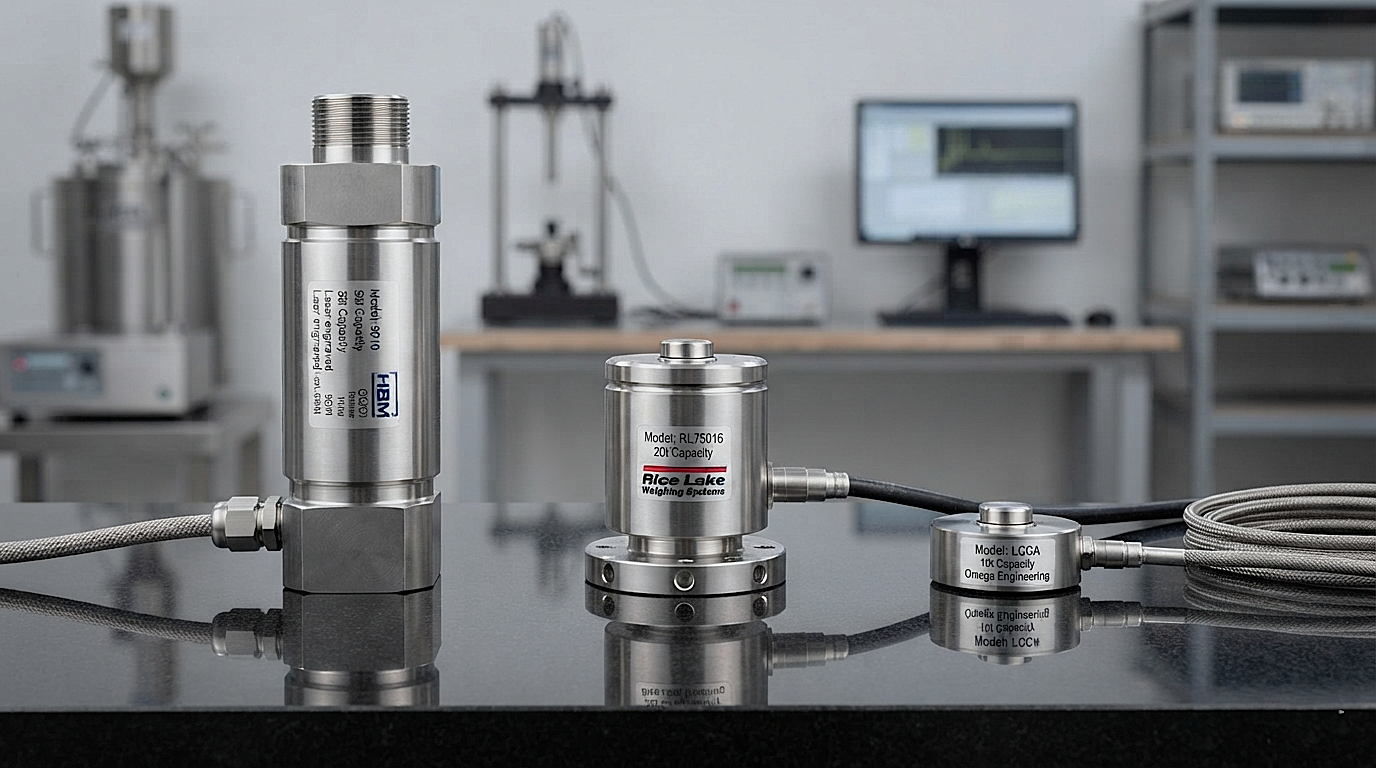
Column load cell — Also called a column compression load cell, this is a tall, cylindrical sensor built for very high capacities. It's the standard choice for weighbridges, truck scales, and heavy tank or silo weighing systems.
Canister load cell — A shorter, wider design that spreads load evenly across a larger base. Canister load cells are common in silo and hopper weighing, where stability under an off-center load matters.
Button load cell — A compact, low-profile sensor used where space is tight, such as under machine feet, in press force monitoring, or in test rigs.
Each type still works on the same compression principle. The real difference lies in capacity, footprint, and how well it tolerates side-loading or vibration.
Compression load cells do the heavy lifting, quite literally, across several industries in Pakistan. Typical applications include:
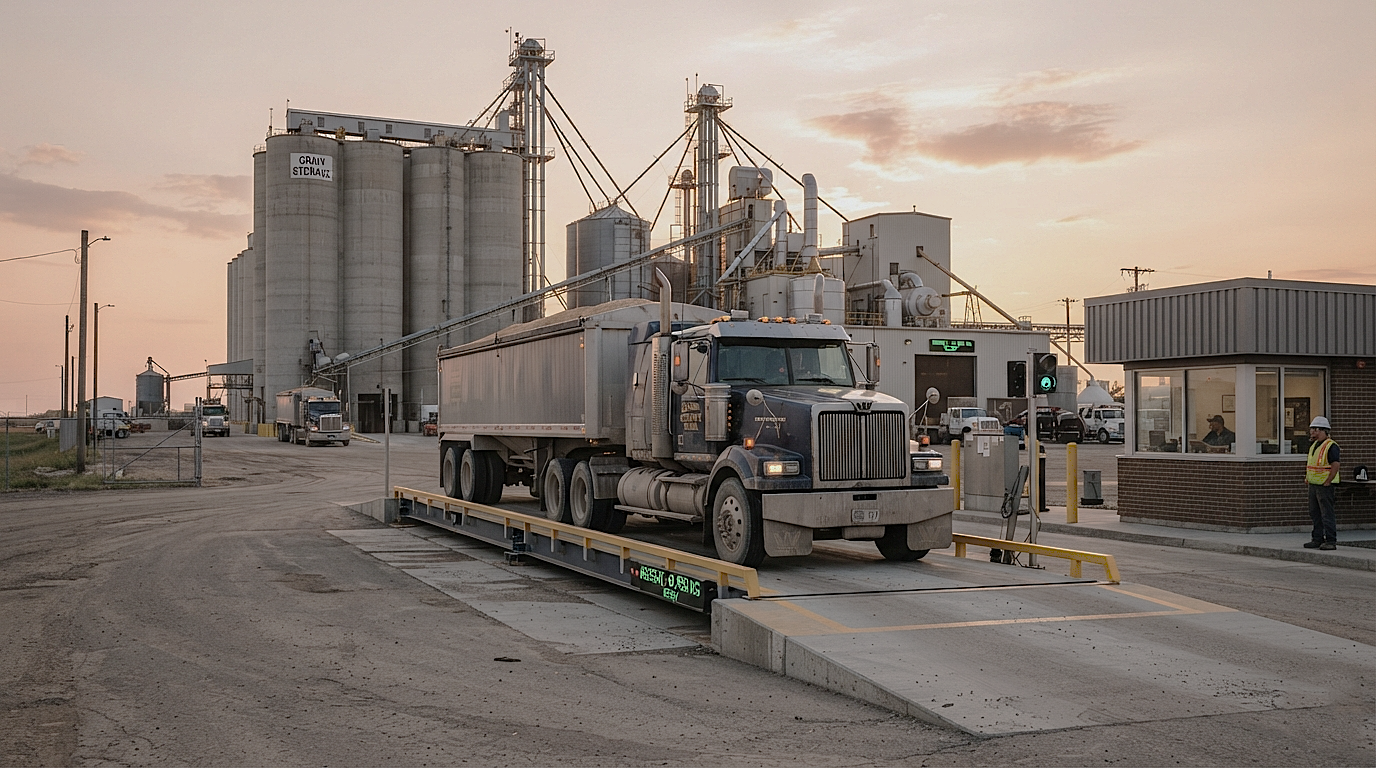
Weighbridges and truck scales — weighing loaded trucks, trailers, and containers at mills, ports, and warehouses.
Cement and concrete batching plants — measuring aggregate, cement, and mix ingredients by weight.
Silo and hopper weighing — tracking stored grain, flour, cement, or chemical powder in real time.
Tank weighing systems — monitoring liquid or bulk material levels in storage tanks.
Heavy machine and press bases — measuring force in industrial equipment and testing rigs.
If your business handles bulk material, whether that's grain in Sargodha, cotton or yarn in Faisalabad, or agricultural produce moving through Multan, there's a good chance a compression load cell is already part of your weighing chain, even if you've never had to think about it.
If you're comparing weighbridge load cell price in Pakistan, capacity is the single biggest driver of cost. A standard truck scale load cell 30 ton capacity, for instance, sits in a different price bracket than a smaller platform scale cell, simply because of the steel, sealing, and precision that go into building it.
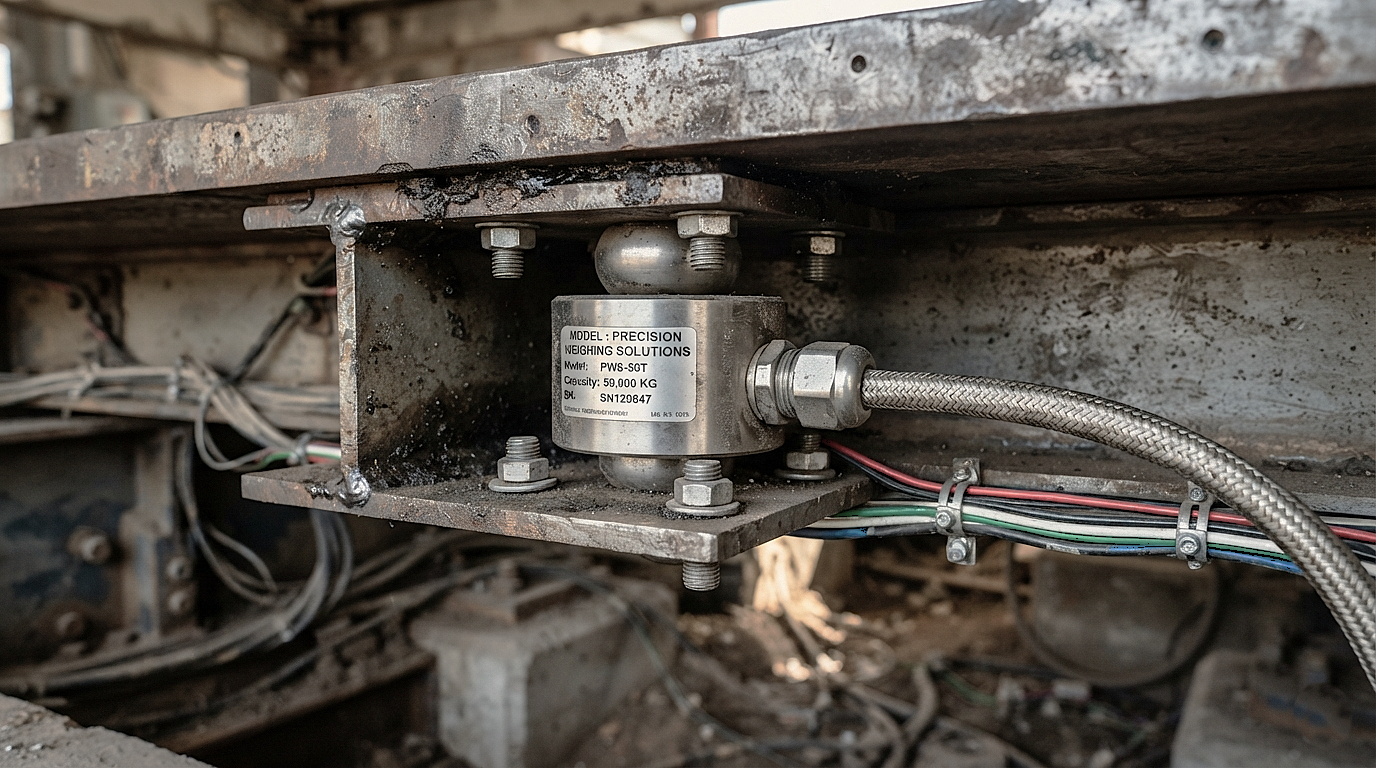
Beyond capacity, a few other factors shape the final price:
Accuracy class — higher-precision cells, used for legal-for-trade or custom weighing, cost more than general industrial-grade cells.
IP rating and sealing — weighbridges exposed to rain, dust, or washdown need a higher ingress protection rating, which adds to the cost.
Brand and origin — certified, imported load cells typically cost more upfront but hold calibration longer and are easier to service.
Number of load cells per system — most weighbridges use four to eight load cells working together, so total system cost depends on the full set, not a single unit.
Installation and calibration — proper mounting, junction boxes, and calibration are part of the real cost of ownership, not just the sensor itself.
Because pricing varies so much by capacity and specification, the most reliable way to get an accurate weighbridge or truck scale load cell price is to share your capacity requirement and site details directly with a supplier.
Cement production is one of the toughest environments for any load cell. Dust, vibration, temperature swings, and constant heavy loading all put stress on the sensor, which is why heavy duty load cells for cement plants are built with reinforced housings and higher IP ratings than standard industrial cells.
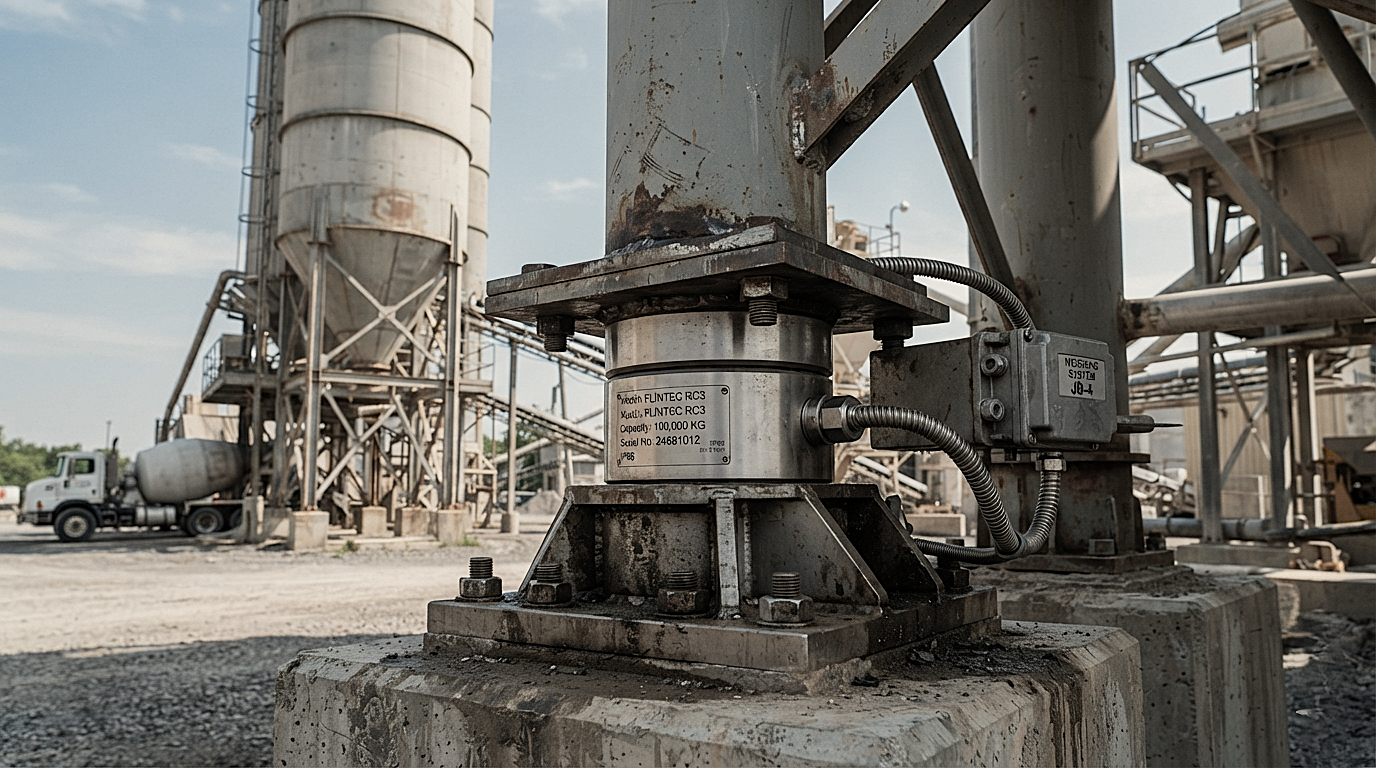
Silo weighing load cells face a different challenge: uneven load distribution. As material is added or drawn from a silo, the weight doesn't always sit centered on the support structure. Canister-style compression load cells are often preferred here because their wide base handles off-center loading more reliably than a narrow column design.
For both cement and silo applications, getting the mounting kit and load cell rating right the first time avoids expensive downtime later. A load cell rated below the real dynamic load, even briefly during filling or vibration, tends to drift out of calibration far sooner than one properly rated for the job.
Compression load cells aren't the only option for industrial weighing. Shear beam load cells, for example, are built to handle bending and side loads, which makes them a better fit for platform scales, hopper scales, and setups where the load isn't always applied straight down.
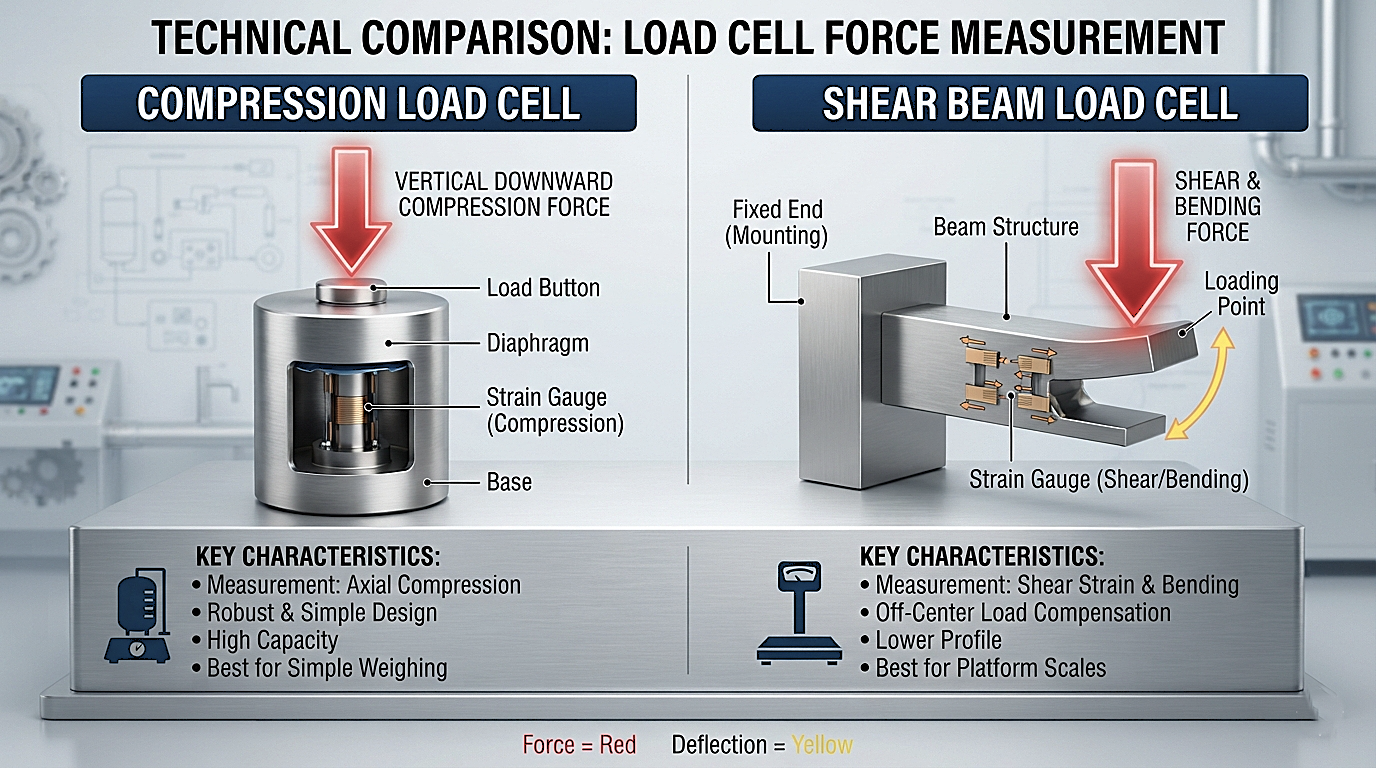
The general rule is simple. Choose a compression load cell when the force is purely vertical and heavy, such as under a weighbridge or a silo leg. Choose a shear beam cell when the mounting involves some bending or side load, such as a platform or bench scale. For a closer look at how shear beam sensors work and what they typically cost, see our guide on S-Type Load Cell Price & Working Principle Pakistan.
A load cell is only as good as its installation and calibration. Libra Weigh Tech supplies, installs, and calibrates compression load cells for weighbridges, silos, and industrial scales across Punjab, including Faisalabad, Multan, and Sargodha.

We're also an authorized dealer for Minebea Intec load cells and weighing components in Pakistan, which means the products we supply come with genuine certification and traceable specifications, not unmarked or rebranded sensors. You can see the full range on our Minebea Intec Authorized Dealer Pakistan — All Products & Prices page.
Because a load cell's accuracy drifts over time with heavy use, we also recommend scheduling regular calibration. Our team offers a Weighing Scale Calibration Service in Pakistan — On-Site & Lab so your weighbridge, silo scale, or truck scale stays within tolerance year-round.
Picking the right compression load cell comes down to matching the sensor to your real operating conditions, not just your budget. At a minimum, confirm:
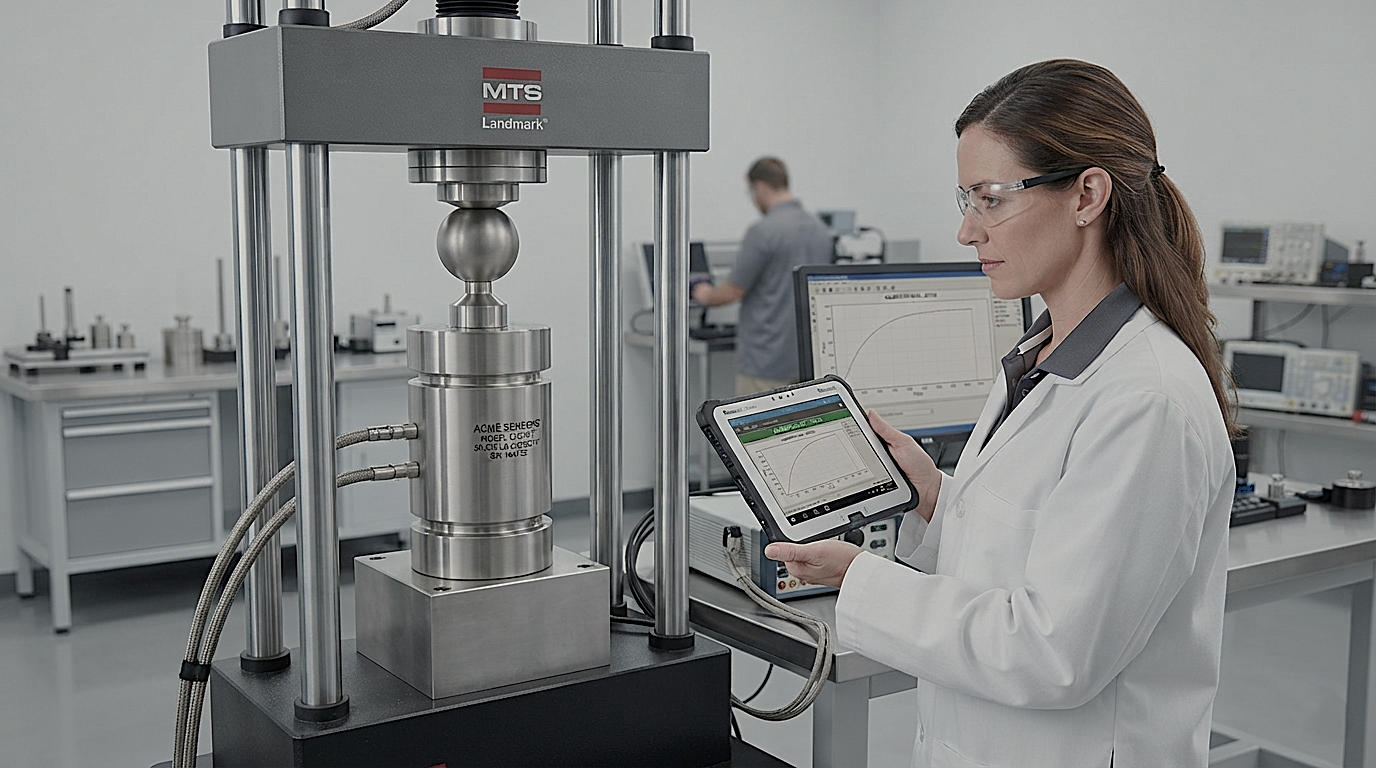
The maximum capacity your system needs, plus a safety margin for dynamic loads.
The environment — indoor, outdoor, dusty, or washdown — which determines the IP rating you need.
Whether your application involves pure vertical load (compression) or some side or bending force (shear beam).
The number of load cells your platform or structure requires.
Your calibration and after-sales service needs once the system is installed.
If you'd like a more detailed walkthrough before you buy, our How to Choose the Right Load Cell — Pakistan Buyer's Guide covers each of these factors in more depth, with practical examples for different industries.
A compression load cell measures force pushing down on it, while a tension load cell measures force pulling on it, such as in a hanging or crane scale. Most weighbridge, silo, and platform scale applications in Pakistan use compression load cells because the load sits on top of the sensor rather than hanging from it.
Most weighbridges use between four and eight load cells, positioned under the deck to distribute the load evenly. The exact number depends on the weighbridge's length, capacity, and structural design.
A 30 ton truck scale typically uses several load cells working together, each rated so their combined capacity comfortably exceeds the maximum truck weight plus a safety margin. The exact rating per cell depends on how many load cells the scale design uses and the platform's own dead weight.
Calibration frequency depends on usage, but most industrial weighbridges, silos, and truck scales benefit from at least an annual check, with more frequent checks for high-traffic or legal-for-trade applications. Harsh environments, like dust and vibration in a cement plant, can shorten the interval between calibrations.
Minor issues like cable damage or moisture ingress can sometimes be repaired, but damage to the internal strain gauge usually means the load cell needs replacing. A qualified technician can test the cell's output signal and advise whether repair or replacement is the more reliable option.
Whether you're installing a new weighbridge, upgrading a cement batching plant, or replacing a worn-out silo load cell, getting the specification right from the start saves you time and money. Our team supplies, installs, and calibrates compression type load cell systems for businesses across Faisalabad, Multan, Sargodha, and the wider Punjab region.
Share your capacity, application, and site details with us, and we'll recommend the right load cell setup along with an accurate, no-obligation quote. Contact Libra Weigh Tech today to get started.
|
Section |
Image Prompt |
Alt Text (keyword-rich) |
|
What Is a Compression Type Load Cell? |
Cutaway technical illustration of a compression type load cell showing the strain gauge and load path |
Compression type load cell cutaway diagram showing strain gauge |
|
Types of Compression Load Cells |
Side-by-side studio comparison of column, canister, and button load cells on a white background |
Column, canister, and button compression load cell types |
|
Key Applications |
Loaded truck driving over an industrial weighbridge, load cells visible beneath the platform |
Weighbridge truck scale using compression load cells in Pakistan |
|
Weighbridge & Truck Scale Price |
Close-up of a heavy-duty load cell being installed under a weighbridge deck |
Truck scale load cell 30 ton capacity installation |
|
Heavy-Duty Cement & Silo Weighing |
Industrial cement silo with load cells mounted at the support legs in a dusty plant setting |
Heavy duty load cells cement plant silo weighing |
|
Compression vs. Shear Beam |
Technical diagram comparing a vertical compressive force path with a shear beam bending force path |
Compression load cell vs shear beam load cell comparison |
|
Why Faisalabad, Multan & Sargodha Trust Us |
Technician calibrating a weighbridge load cell on-site in an industrial yard |
Load cell calibration service Faisalabad Multan Sargodha |
|
How to Choose the Right Load Cell |
Simple checklist graphic showing capacity, IP rating, and calibration icons |
How to choose the right compression load cell Pakistan |