
Libra WeighTech
Accurate Weighing
Quality Services
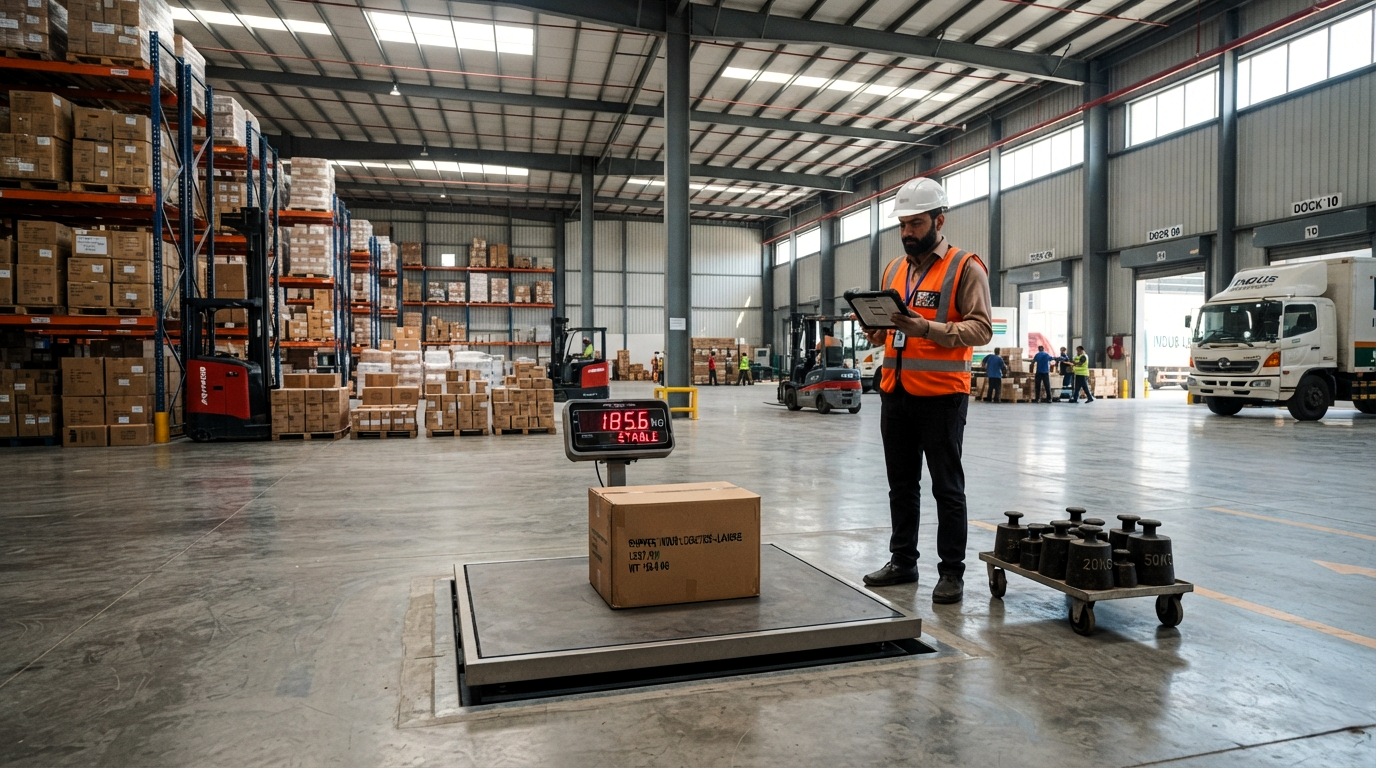
Here is a mistake we see all the time. A buyer in a mill, workshop or warehouse picks a scale because it “shows grams,” and assumes it must be accurate. Then the numbers drift, batch weights stop matching, and everybody blames the machine.
Most of the time the machine is fine. The buyer simply mixed up three different things: capacity, readability and accuracy. They sound alike, but each one answers a different question. Once you separate them, choosing a scale gets easier, and you stop paying for specs you will never use.
If you are still shortlisting equipment, browse the industrial weighing scales from Libra Weightech after reading this guide. Now, plain language, no jargon walls.
|
Term |
The question it answers |
Example |
|---|---|---|
|
Capacity |
How much can this scale weigh? |
300 kg |
|
Readability |
What is the smallest step the display shows? |
10 g |
|
Accuracy |
How close is the reading to the true weight? |
±20 g, depending on class and conditions |
Think of it this way: capacity is about size, readability is about display detail, and accuracy is about truth. A scale can be strong on one and weak on another.
Weighing scale maximum capacity, often printed as “Max” on the label, is the heaviest load the scale is built to measure properly. Three things worth knowing:
It is not a daily target. Weighing at 100% of capacity all day wears out load cells faster. A healthy working range is roughly 20% to 80% of Max.
There is a floor too. Very light loads on a big scale give shaky readings, and many industrial scales state a minimum capacity.
Overload is expensive. Dropping a 150 kg drum onto a 100 kg platform is one of the most common ways load cells die.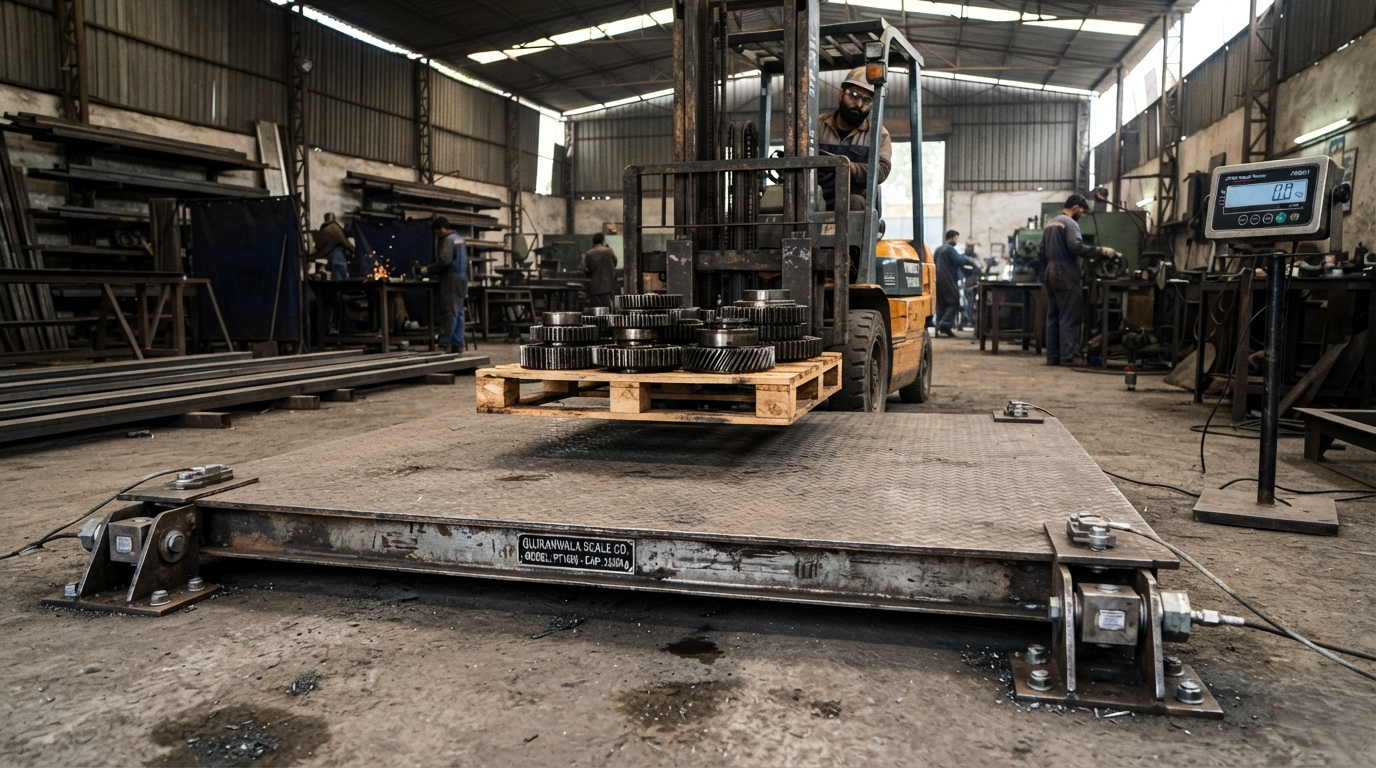
Buyer tip: Take your heaviest regular load, then pick a capacity that puts it inside that 20–80% zone, not on the edge.
Readability, also called division size or “d,” is the smallest change the display can show. A scale with 5 g readability moves in steps of 5 g: 1,000 g, 1,005 g, 1,010 g.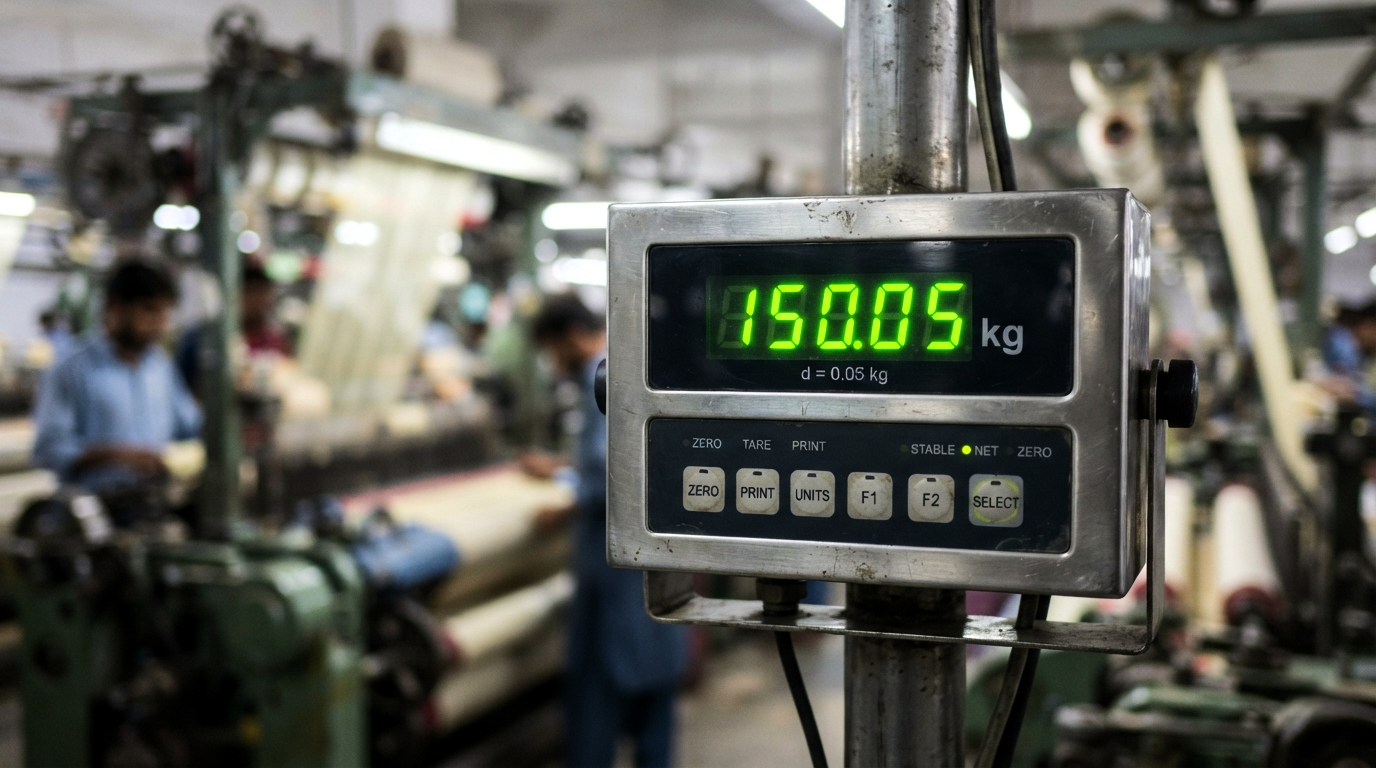
Here is the part buyers miss: readability is not accuracy. A display can show tiny steps and still be wrong. It is like a ruler with beautiful millimetre marks that was printed crooked. You can read it finely, but you cannot trust it.
Resolution is the number of divisions a scale splits its capacity into.
Resolution = Capacity ÷ Readability
Example: a 300 kg scale with 10 g readability gives 300,000 g ÷ 10 g = 30,000 divisions.
More divisions means finer detail, but not automatically better performance. On a dusty, vibrating or breezy shop floor, chasing extra resolution just makes the last digit flicker. Match readability to the job, not to the brochure.
Accuracy is how close the displayed weight is to the real weight. It is not one setting; it is the result of several things working together:
Linearity: does it read correctly across the whole range, not only at one point?
Repeatability: does it show the same value when you weigh the same item again?
Eccentricity (corner-load error): does it read the same when the load sits off-centre?
Temperature and drift: does it stay steady as the shop heats up?
Calibration: was it adjusted with certified test weights, and how recently?
People also mix up accuracy and precision. Precision means consistent results. Accuracy means correct results. A scale that is always 40 g off is precise but not accurate, and calibration is what fixes it. Our calibration and service team sees this every week.
Industrial and commercial scales are usually described by accuracy classes from OIML recommendations such as R76, with Class III being the one you will meet most on platform and floor scales. You will also see the verification scale interval (“e”), the value used for class and legal purposes, which is often equal to or larger than readability.
What matters for you as a buyer: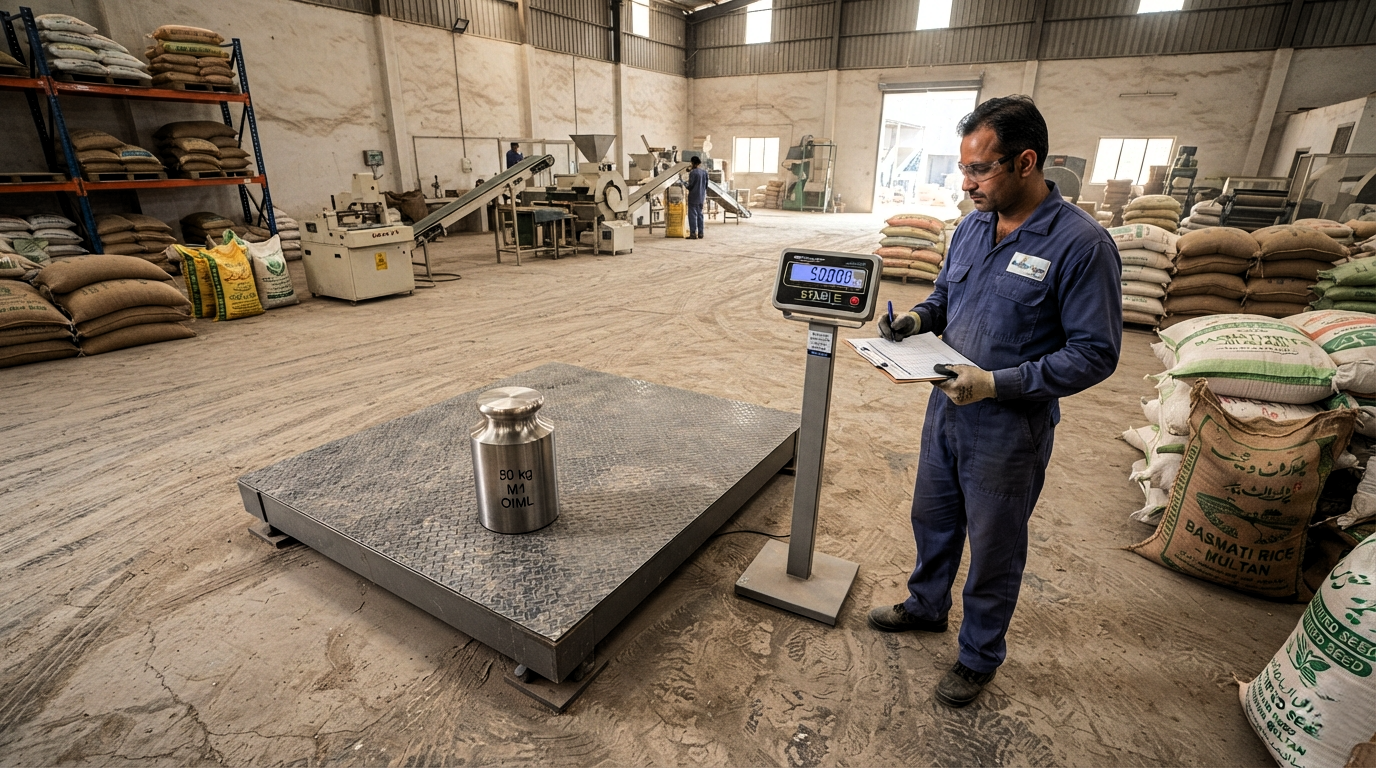
Ask for the class and the number of verification intervals, not just “how many grams it shows.”
If you bill by weight, check legal-for-trade rules with your local authority. Billing carries different obligations than internal control.
Real accuracy depends on installation. An uneven floor, a loose junction box or a bumped load cell can undo a well-built scale.
Next time quotes land on your desk, look for these lines and know what each one is telling you: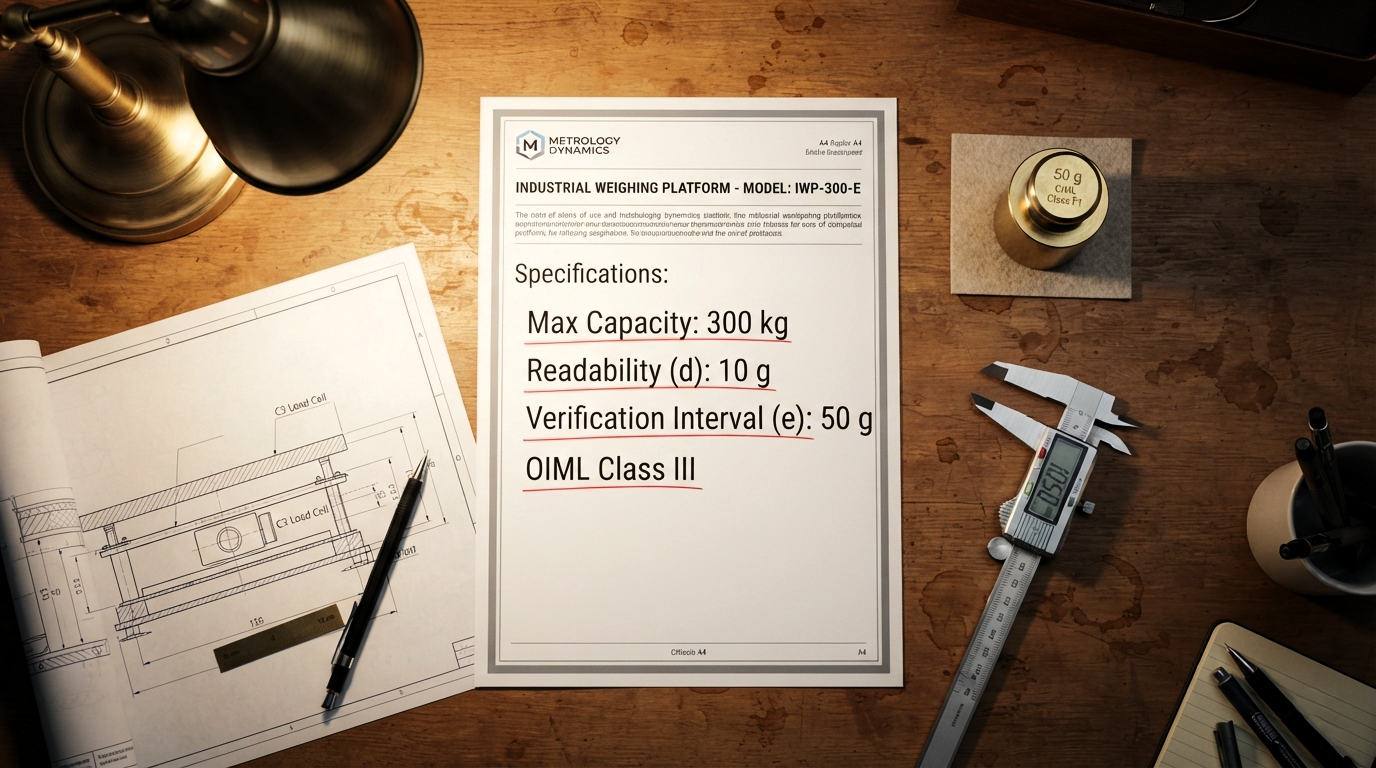
Max capacity: the ceiling
Min capacity: the floor
Readability (d): the display step
Verification interval (e): the class-related step
Accuracy class: for example Class III
Repeatability and linearity: the real performance figures
Operating temperature and IP rating: whether it survives your environment
Power: mains, battery, or both
Two scales with identical capacity and readability can perform very differently on the lines below those two. That is where price gaps come from.
Start from your tolerance, not from the scale.
Your readability should be at least 10 times finer than the tolerance you need to hold. (A common rule of thumb, not a legal standard.)
Example: you pack 50 kg bags and can accept ±50 g. A readability of 5 g or 10 g makes sense. A 1 g readability adds flicker; a 100 g readability is too coarse.
A fast selection checklist:
Note your heaviest and lightest regular loads.
Pick a capacity so the heaviest load sits near 80% or less.
Decide the tolerance you can live with.
Choose readability at about one-tenth of that tolerance.
Confirm the accuracy class and your calibration plan.
Match the build to your environment: dust, washdown, heat, vibration.
Weighing in Punjab is not a lab situation. A Faisalabad textile unit, a Multan cotton or mango operation, a Gujranwala steel workshop, a Sialkot manufacturer and a Lahore warehouse all face real conditions that affect accuracy:
Heat and dust: summer temperatures stress electronics. Look for sealed junction boxes and good ingress protection.
Power cuts and voltage swings: a rechargeable battery or stable power handling saves lost readings.
Uneven or vibrating floors: these hurt accuracy more than most buyers expect. Proper foundations and levelling matter.
Mixed loads: a mill weighing both 5 kg samples and 500 kg bales should not force one scale to do both. Two scales is often the smarter, cheaper answer.
When you compare an industrial weighing scale price in Pakistan, remember the cheapest quote often leaves out calibration, certified test weights or installation. Always ask what is included.
Buying on readability alone. Fine display, weak accuracy.
Buying the biggest capacity “just in case.” You lose resolution at small loads.
Skipping calibration. Even good scales drift.
Ignoring corner-load tests on platform and floor scales.
Weighing at the very top of the range every day.
What is the difference between scale capacity and readability?
Capacity is the maximum load the scale can weigh. Readability is the smallest weight step it can display. One is about range, the other about detail.
Does higher readability mean higher accuracy?
No. Fine readability shows small steps but does not guarantee the value is correct. Accuracy depends on load cell quality, linearity, calibration and installation.
What is weighing scale resolution?
Resolution is the number of divisions across the scale’s range, calculated as capacity divided by readability.
How often should an industrial scale be calibrated?
It depends on use, environment and legal requirements. Many businesses calibrate at least once a year, and more often for heavy daily use or trade weighing.
How do I choose the right capacity?
Choose a capacity where your heaviest regular load falls at about 80% of Max or less, and avoid scales far too large for your lightest loads.
Not sure which mix of capacity, readability and accuracy fits your operation? The team at Libra Weightech can match the right scale to your product, tolerance and working environment. Request a quote or contact us today.